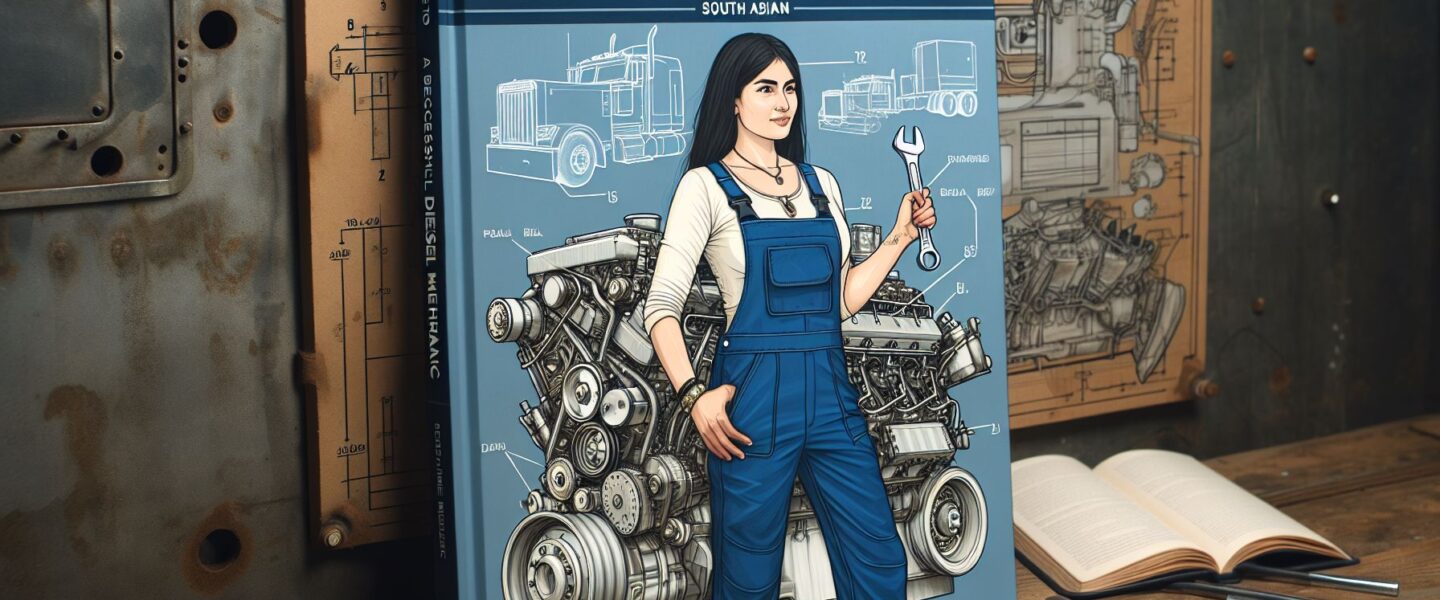
Hello to all my fellow mechanics! Today, we are going to delve into a topic that many of us hold dear, the fascinating world of diesel engines. If you are a hands-on type of person who gets a thrill from working with powerful engines and automobiles, then a career as a diesel mechanic may just be your calling.
Introduction
The road to learning how to become a diesel mechanic requires dedication, determination, and a good dose of passion. If you can’t resist the allure of working on cars that pack some serious power under the hood, then buckle up because we’re about to shift into overdrive and explore how to navigate the path to becoming a diesel mechanic.
Understand the Basics
First things first, before you can even dream of handling a powerful engine, it’s essential to understand the basics of the work. A diesel mechanic is a professional who specializes in the maintenance and repair of vehicles using diesel engines. These engines are known for their efficiency and durability, and they find application in trucks, buses, ships, trains, and even some types of cars.
The work of a diesel mechanic is demanding yet rewarding, involving diagnostic tests, alignments, brakes, suspensions, and electrical systems, among other duties. It’s for those who love rolling up their sleeves and getting their hands dirty.
Commit to Education
There’s a significant level of knowledge needed to become a diesel mechanic. While some may start in high school auto shop classes, often, the journey starts in earnest at a technical or trade school. You’ll want to consider a one- or two-year diesel technology program where you can dig deep into subjects like power transmissions, diesel engine systems, and diesel fuel systems. After completing your studies, you’ll receive a certificate or associate degree, a crucial stepping stone on your road to becoming a diesel mechanic.
Become Certified
A certification shows prospective employers and customers that you have mastered the skills necessary to excel in your role. The National Institute for Automotive Service Excellence (ASE) offers various certifications in diesel engine repair. Earning ASE certification involves both work experience and passing an exam.
Get Hands-On Experience
Nothing can substitute the value of hands-on experience when it comes to understanding diesel engines’ nuances. As part of your program or upon completion, try to get an internship or an entry-level position at a local repair shop or dealership that specializes in diesel-powered vehicles. Nothing beats the feel of working on cars first hand.
Getting your hands on these powerful engines will give you a chance to apply what you’ve learned in the classroom into real-world situations, from simple tasks like oil changes to complex duties like complete engine rebuilds.
Stay Updated
Like many fields, the world of diesel mechanics is not static. New innovations, technologies, and repair techniques frequently enter the scene. Therefore, it’s essential to stay abreast of developments to increase your versatility and value to employers. Regularly attend refresher workshops, networking events, or enroll in courses that keep you updated on the latest trends and technologies in diesel engine mechanics.
Conclusion
Becoming a diesel mechanic isn’t a journey you can complete overnight. It requires a commitment to learning, gaining hands-on experience, and staying updated on advances in the field. But if you love the idea of working on cars with resilient, powerful engines, the reward is well worth the effort.
In the grand scheme of things, remember that the journey is as crucial as the destination. Every oil stain and knuckle scrape are all a part of the ride. So, here’s to embracing the revs, the ragged overalls, and the satisfaction that comes from bringing a powerful diesel engine back to life.