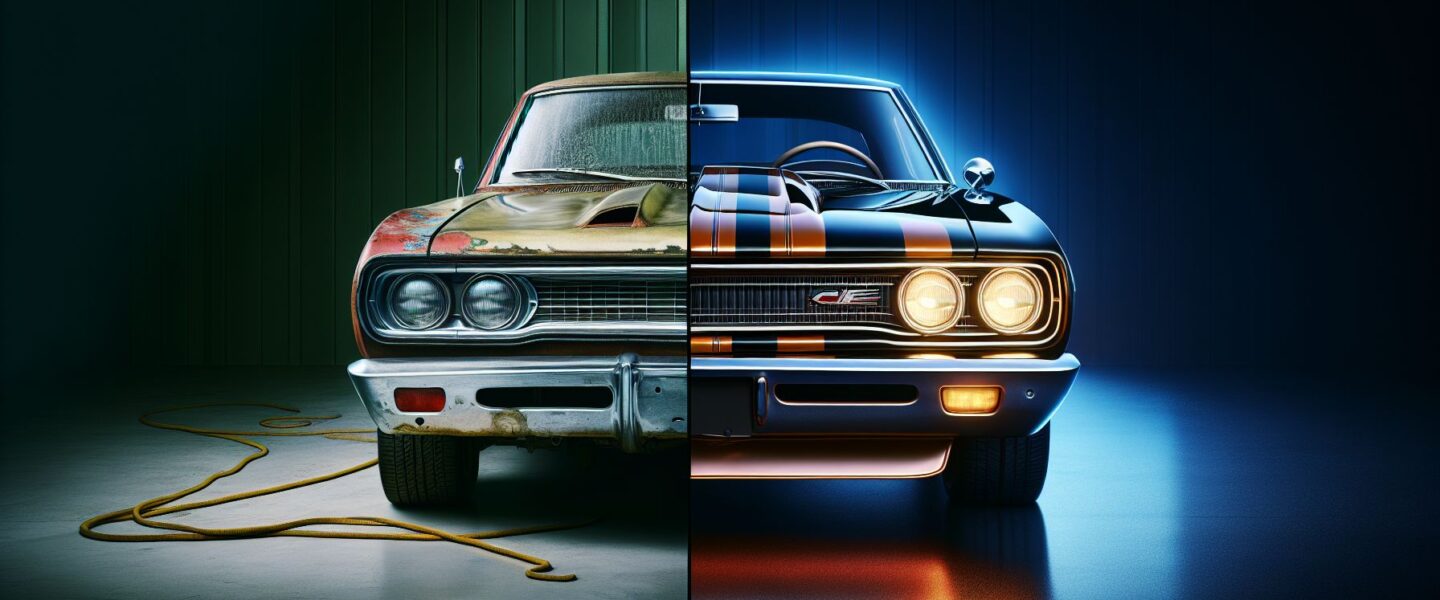
Restoring a classic car to its former glory is a satisfying pursuit for many car enthusiasts. However, for some elite professionals, merely restoring a car to its original condition is insufficient. Instead, they seek to turn these classic gems into eye-catching, roaring muscle cars worthy of any showroom floor. This article will guide you through the process of turning a classic car into a high-performance masterpiece, using automotive repair expertise and a dose of patience and dedication.
The Inspection and Planning Stages
Every great project starts with a good plan. Inspect every square inch of your classic car to determine which parts need repairing or replacing. Particular focus should be on the engine compartment, interior, suspension system, and body. Seek the advice of an expert in automotive repair if you’re unsure – it’s crucial to ensure the car is fundamentally sound before investing in improvements.
After a comprehensive inspection, it’s time to plan. Detailed planning includes sourcing parts, determining the level of performance you want to achieve, estimating costs, and setting a realistic timeline for completion. While planning, take into consideration the type of engine you want to install. Do you covet the thunderous roar of a powerful engine? Or perhaps a quiet, yet beastly power under the hood is more your style? Prioritize power, aesthetics, or a mix of both before diving into the restoration project.
Unleashing the Power: Engine Upgrades and Tuning
Reviving the engine is the heart and soul of converting a classic car into a muscle monster. For many automotive enthusiasts, installing a powerful engine is the best part of the project. You might want to consider a Big Block where that badge of 400 plus cubic inches on the air cleaner defines its raw power. Or perhaps a Small Block for its lightweight advantages and superior handling.
Regardless of your engine choice, it is typical for these engines to be modified or deemed aftermarket. Thus, it’s crucial to pair the engine with compatible and improved drivetrain components such as transmission, driveshafts, and differentials. Don’t forget about your car’s cooling system. High-performance engines generate a lot of heat, and an upgraded radiator and cooling system will be necessary to prevent engine damage.
Cosmetic Upgrades and Final Details
Once the engine revamp is underway, it’s time to shift focus to the aesthetics. The bodywork, upholstery, and detailing are what turn an average automobile into a showroom-ready muscle car. Strive for a visually impressive car that maintains its classic characteristics, but with a potent secret under the hood.
Begin with a thorough body restoration if necessary. Deal with any rust spots, dents, or scratches. Next, apply a fresh coat of paint that embodies both the classic era and the vibrant spirit of modern muscle cars.
Moreover, don’t forget to revive the interior. It should be a blend of classic charm and modern comfort. You may choose to restore the original seats or replace them with modern alternatives for added comfort and style.
Unveiling Your Masterpiece
Now that all the hard work is completed, it’s time to reveal your showroom muscle car. A task accomplished only through patience, dedication, and superior automotive repair skills. Celebrate your accomplishment, and don’t forget to maintain this high-performance creature in top-notch condition. Routine maintenance is the key to ensuring your classic-turned-muscle car is always ready to turn heads wherever it roars.
To conclude, turning a classic car into a showroom muscle car is not a simple plug-and-play job. It requires effort, skill, planning, and focus. But for those who are ready to embark on this journey, the reward is an exclusively crafted beast that oozes power, eccentricity, style, and prestige, capable of attracting any elite professional.