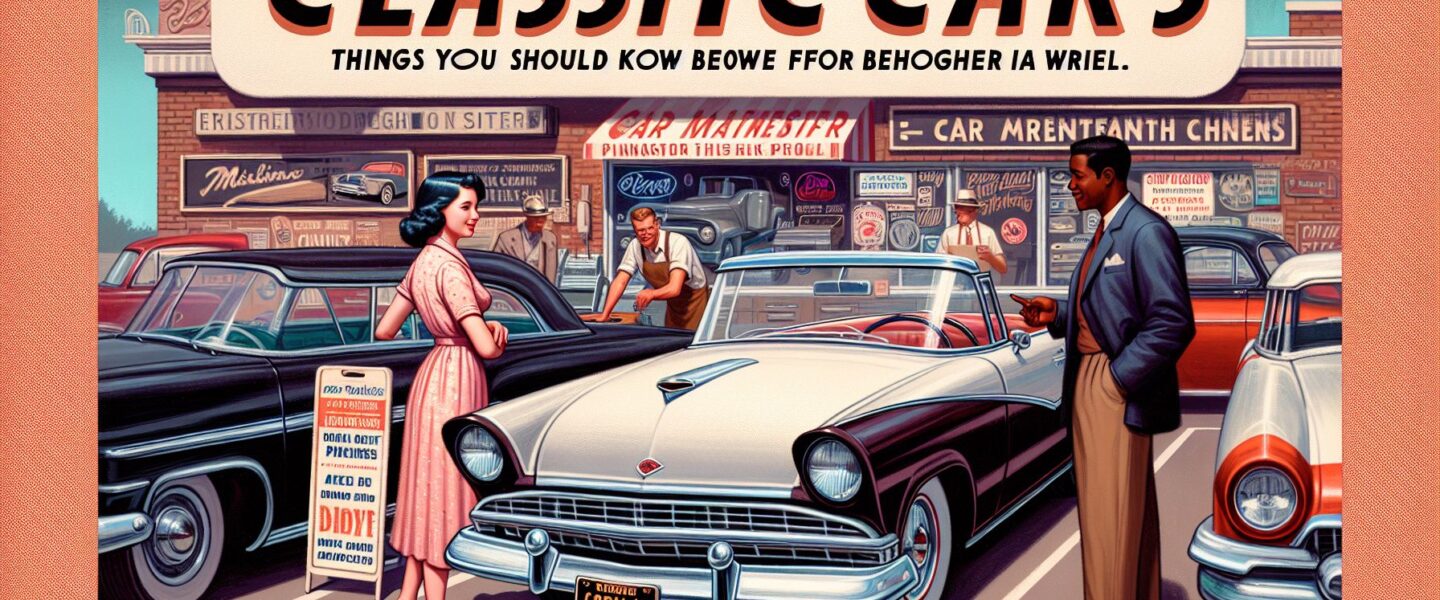
As an automotive enthusiast, there’s a undoubted allure to owning and driving a classic car — the grandeur of the yesteryears, the timeless design, and the unique drive feel, all cast a charming spell. However, the process of buying classic cars could be tricky, requiring sound knowledge about cars, especially since you’re not dealing with a standard automaker offering a warranty. In this article, we will walk you constructively through some fundamental aspects and considerations that could make your classic car purchase a satisfying experience.
Understand the Mechanics and Engine of the Classic Car
A vintage car can be a capricious machine, with a personality all its own. The engine, the heart of any car, especially demands careful analysis before finalizing a purchase. The age and model of the vehicle directly impact the type of engine it will have. Classic muscle cars, for instance, feature V8 engines offering unmatched raw power, but the fuel-efficiency can be a drawback. In contrast, classic European models often host straight-six or V12 engines – a perfect solution if you’re looking for smooth ride along with the power.
The mechanics of the car like the braking system, transmission, and suspension also require careful examination. These elements bear the brunt of wear and tear over the years, directly affecting vehicle safety and performance. A well-maintained classic car could feature original parts, but it is not unusual to find parts that have been replaced over time. Thoroughly cross-verify if the maintenance invoices are accurately dated and if user manuals are available.
Assessing the Car Condition and Restoration Work Required
Inspecting the physical conditions of a classic car includes more than just a casual glance at the sleek lines and nostalgic color. Prioritize structural rigidity and look out for body composition. Excessive use of filler may indicate that the car has been in severe accidents or has had parts replaced. Rust can be another concerning factor. Look under the vehicle, around wheel arches, and areas like floor pan and the trunk where water can accumulate. Rust on these parts could be a telltale sign of structural decay.
Evaluate if the vehicle requires significant restoration. Initial purchase may seem affordable, but restoration can be an expensive affair. Retaining a vintage automobile’s authenticity can be challenging and a poorly executed restoration can severely undercut its value.
Understanding the Market for Classic Cars
Classic cars, unlike their modern counterparts, may not depreciate. In fact, the value may increase over time, making them an excellent investment. However, the market for classic cars is often volatile and trends can shift rapidly depending on factors such as rarity, condition, and collectibility.
Delve into the model’s history and its place in the market. Research price trends and auction records to understand what you should be paying for the model you are eyeing.
The Takeaway
Buying a classic car is a journey into automotive history and nostalgia. It involves more than just exchanging money for the keys. It is about fostering a relationship with a stunning specimen of automotive evolution. By comprehensively understanding the mechanics and engine of the vehicle, meticulously assessing its condition, and studying the market, you’re well positioned to avoid simple errors and temporary heartaches.
Owning a classic car could be an incredibly enriching experience when done right. After all, nothing quite beats the pleasure of a commanding engine rumble and the envious glances when you roll out in your piece of history.
Happy Motoring!