If you’ve worked in an automotive warehouse, picking parts for max performance, and prepping orders, then you know how important it is to properly manage inventory. I spent over a decade working for a company that sold parts for Willy’s Jeeps, from 1941 to 1971, and we had a massive inventory of vintage parts. For the first five years I was there, everything was documented on a old Windows 95 machine in spreadsheets. Let me tell you, that was a miserable experience. Fastforward to 2024 and technology has revolutionized the way that supply chains manage inventory.
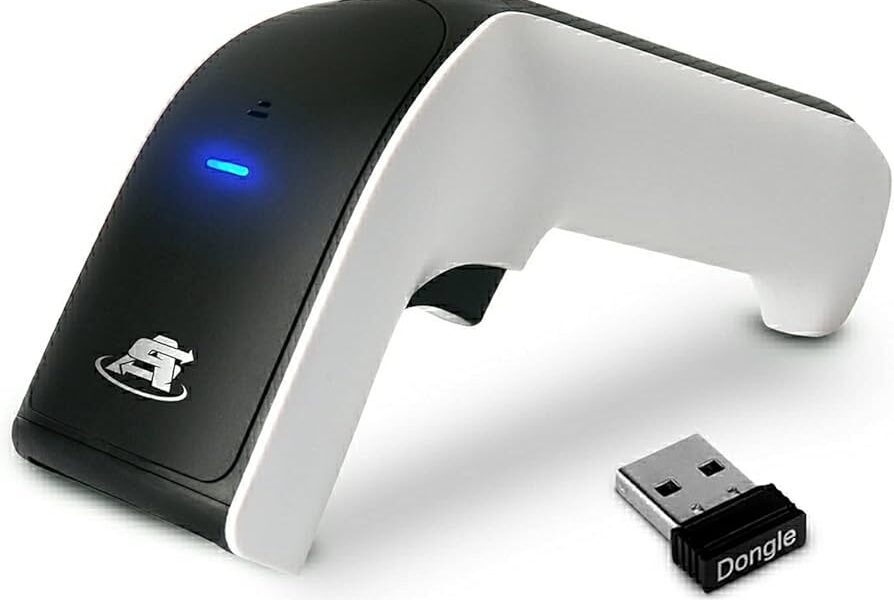
In this blog post, I’m going to discuss warehous automations and how you can speed up your internal processes with barcode scanners and few decent computers. You see, warehouse automation is revolutionizing how businesses handle inventory and order fulfillment. One critical component of this automation is the use of barcode scanners, which help streamline operations, reduce human error, and significantly boost efficiency. The introduction of wireless barcode scanners has further elevated warehouse processes, allowing staff to move freely and scan items without being tethered to a specific workstation.
The Role of Barcode Scanners in Warehouse Automation
Barcode scanners are a key element in any modern warehouse management system (WMS). They enable the fast and accurate capture of product information, whether scanning for inventory updates, picking items for shipment, or verifying received goods. Wireless barcode scanners, in particular, give employees the freedom to move around the warehouse without being restricted by cords or fixed devices, making the scanning process much faster and more flexible.
Benefits of Wireless Barcode Scanners
- Increased Mobility: Wireless barcode scanners eliminate the need for workers to repeatedly return to a terminal or station to log data manually. This increased mobility allows employees to cover larger areas in less time, improving overall productivity. These scanners can be mounted on forklifts or used as handheld devices, making them versatile tools for various tasks in the warehouse environment.
- Employees can scan items directly from pallets, shelves, or receiving areas, reducing time spent on manual processes.
- This flexibility helps improve the speed of stock-taking and picking operations, essential in high-demand environments.
- Real-Time Data Synchronization: One of the most important advantages of wireless barcode scanners is the ability to input data in real-time. This capability ensures that inventory counts are always up-to-date, minimizing the risk of errors caused by delays in data entry. Real-time synchronization also enables warehouse managers to make informed decisions based on current stock levels, helping to avoid stockouts or over-ordering.
- Accurate, real-time data helps maintain proper stock levels and avoid costly mistakes in order fulfillment.
- Managers can monitor inventory movement throughout the day, ensuring more efficient warehouse operations.
- Faster and More Accurate Picking and Packing: In warehouse environments, speed and accuracy are essential for fulfilling orders. Wireless barcode scanners ensure that items are picked quickly and correctly by allowing employees to scan products directly from the shelves. This reduces the likelihood of picking errors, which can lead to costly returns or delayed shipments.
- Scanning ensures that the right product is selected for each order, improving customer satisfaction.
- Wireless scanners eliminate the need to manually enter data, reducing errors and speeding up the overall picking process.
Case Study: Warehouse Efficiency with Wireless Barcode Scanners
An example of wireless barcode scanner efficiency can be seen in large distribution centers, where companies handle thousands of orders daily. In one case, a major e-commerce company implemented wireless barcode scanners to help optimize their picking process. By using the scanners to verify items at the point of selection, they reduced picking errors by 30%, which significantly improved their order fulfillment times and reduced customer complaints about incorrect deliveries.
The company also integrated these scanners into its warehouse management software, allowing real-time tracking of inventory and orders. As a result, they gained better visibility into their stock levels, helping them avoid overstocking or running out of popular items during peak sales periods.
Best Practices for Implementing Wireless Barcode Scanners
- Choose the Right Scanner for the Job: Not all barcode scanners are the same. Some are better suited for short-range scanning, while others can scan from longer distances. Evaluate your warehouse needs and choose a scanner that meets those specific requirements.
- Integrate with Existing Systems: Ensure that your wireless barcode scanners integrate seamlessly with your WMS. This will provide real-time updates and allow for smoother overall operations.
NOTE: Train Staff: While wireless barcode scanners are easy to use, it’s still important to provide staff with proper training to ensure they are used efficiently and correctly.
Final Thoughts
In today’s competitive environment, wireless barcode scanners have become an essential part of warehouse automation. For those of you working in automotive warehouses, building high performance engines, you know how important inventory management is. By offering increased mobility, real-time data synchronization, and faster processing times, these scanners help warehouses run more efficiently while minimizing human error. Whether used in large distribution centers or smaller facilities, the flexibility and speed of wireless barcode scanners make them a valuable asset for any warehouse aiming to improve performance and keep up with the demands of modern supply chains.