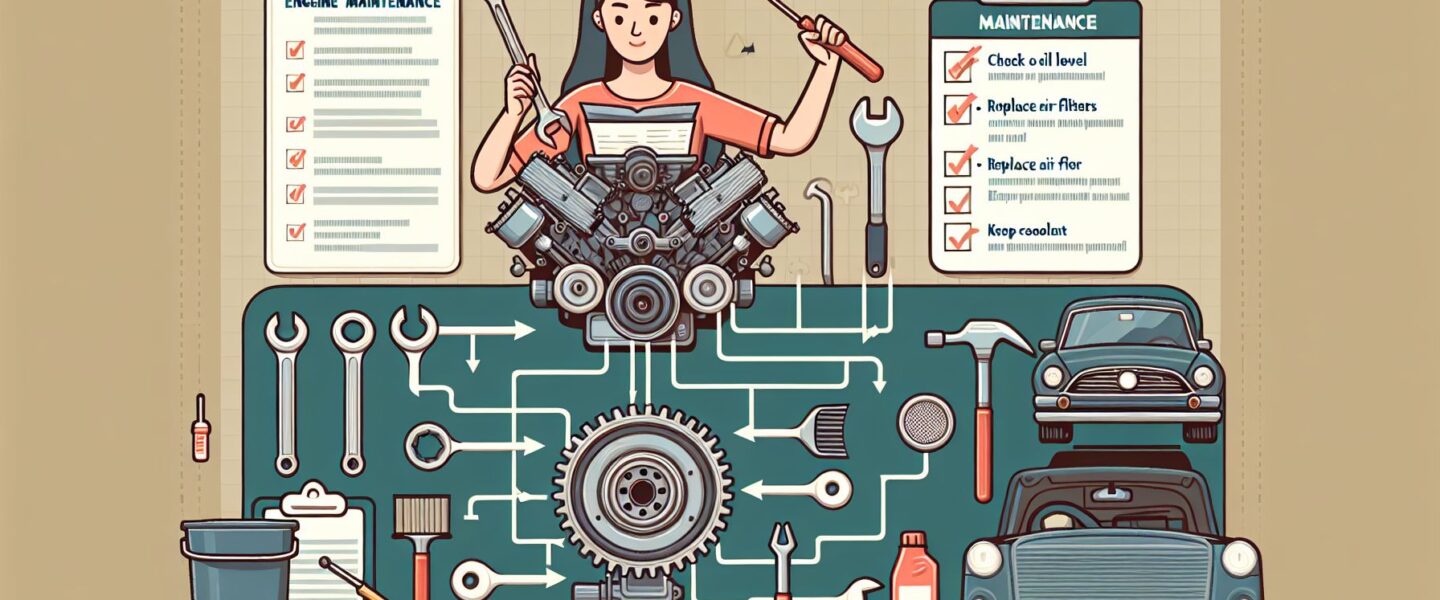
As a proud car owner, you likely already understand the importance of taking care of your vehicle. However, when it comes to the engine, there are a few key maintenance tasks that every man should know in order to keep their car running smoothly and efficiently. By learning how to properly care for your engine, you can ensure optimal performance and longevity for your vehicle.
One of the most basic engine maintenance tasks that every car owner should be familiar with is checking and changing the oil regularly. Engine oil is essential for lubricating the moving parts of your engine and preventing wear and tear. Over time, oil can become contaminated with dirt and debris, reducing its effectiveness. By regularly checking your oil levels and changing it according to your manufacturer’s recommendations, you can help to maintain the overall health of your engine.
Another important aspect of engine maintenance is keeping an eye on your coolant levels. Coolant helps to regulate the temperature of your engine and prevent it from overheating. Low coolant levels can lead to engine damage and costly repairs. By periodically checking your coolant levels and topping them up as needed, you can help to ensure that your engine stays cool and operates at peak performance.
In addition to checking your oil and coolant levels, it’s also crucial to inspect your air filter regularly. The air filter helps to prevent dirt and debris from entering your engine and causing damage. A dirty or clogged air filter can restrict airflow to your engine, leading to decreased performance and fuel efficiency. By replacing your air filter at regular intervals, you can help to maintain optimal engine performance and prolong the life of your vehicle.
Spark plugs are another critical component of your engine that require regular maintenance. Spark plugs are responsible for igniting the air-fuel mixture in your engine, helping to power your vehicle. Over time, spark plugs can become fouled or worn out, leading to misfires and decreased engine performance. By inspecting and replacing your spark plugs as recommended by your manufacturer, you can ensure that your engine continues to run smoothly and efficiently.
Finally, it’s important to periodically inspect your engine belts and hoses for signs of wear and tear. The belts and hoses in your engine help to power various components and systems, such as the alternator and air conditioning. If these belts or hoses become worn or damaged, it can lead to engine failure and costly repairs. By regularly checking these components and replacing them as needed, you can help to prevent unexpected breakdowns and keep your engine running smoothly.
In conclusion, taking care of your engine is essential for maintaining the overall health and performance of your vehicle. By learning and practicing these basic engine maintenance tasks, you can help to ensure that your car runs smoothly and efficiently for years to come. Remember to consult your owner’s manual for specific maintenance intervals and guidelines for your vehicle. With regular maintenance and proper care, you can enjoy high performance and reliability from your engine for many miles ahead.