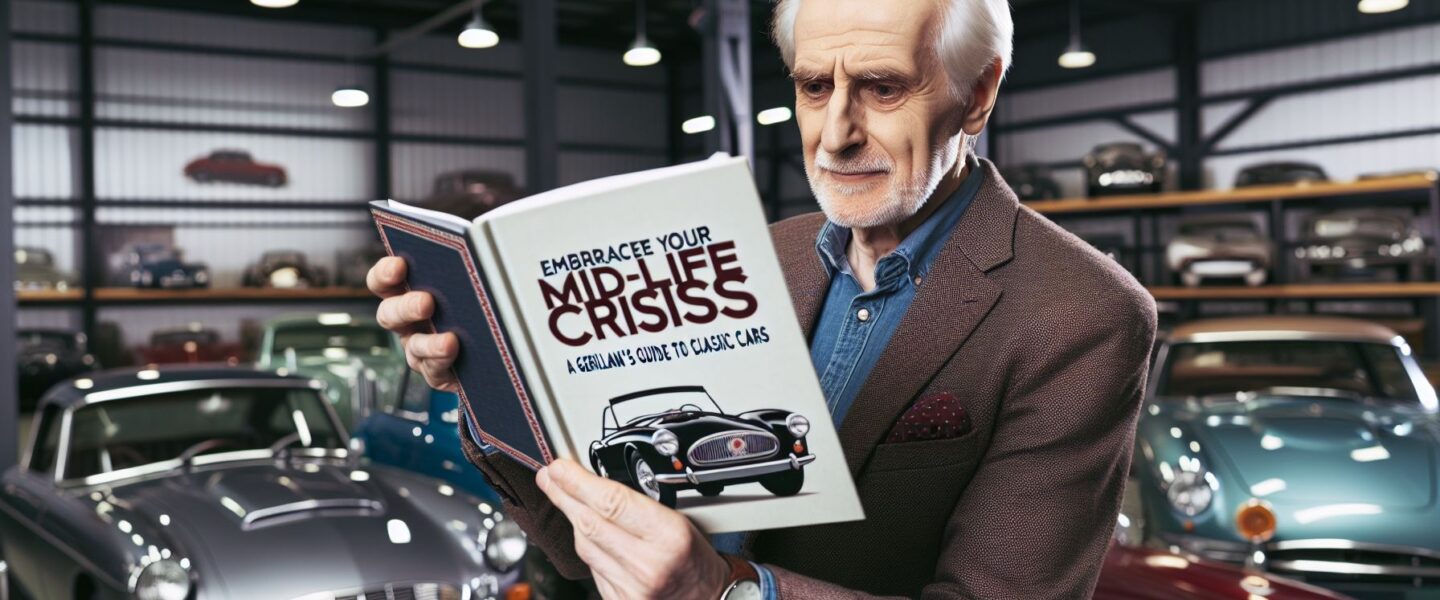
Hold on to your Prada loafers, distinguished citizens of the universe! This one’s for those elite professionals who are on the brink of a splurge-booted mid-life crisis and considering channeling it sympathetically into the acquisition of pixel-perfect, classic motoring majesty.
The Devil Is In The Details
First things first, let’s talk classic cars. By classic, we are referring to those timeless pieces of engineering that elicit a fond sigh from even the most stone-hearted individual. They are the crowning jewels of any professional’s collection, needing little justification when it comes to purchasing them.
However, before leaping headfirst into buying one, you need to learn a few valuable lessons about these vintage stars. The road to classic-car heaven is sprinkled with burnt pockets and pangs of regret, all stemming from an ignorant purchase that didn’t quite live up to expectations.
So, grab an obligatory piece of vintage, designer eyewear and devote a generous sip of your Chivas Regal whiskey to the knowledge that’s about to be dropped!
Beware The Mechanical Monsters!
Ancient Greek legends warned sailors about water monsters, and these tales are still applicable today, given a slight twist. You see, every now and again, you might encounter an elderly yet sprightly-looking motor on your voyage. The polished, glossy exterior might be so tempting that you’re willing to overlook the beast of an engine lurking underneath the bonnet.
However, succumbing to such charm could sell you into a deep abyss of maintenance expenditures. Classic cars have ridiculously charismatic engines, which might seem appealing, but they are often riddled with problems. Fuel inefficiencies, relentless oil leaks, and myriad other mechanical miseries could give you sleepless nights.
Hold your impulsive instincts back, my friend. Demand a thorough mechanical inspection before any money changes hands.
The Rotting Beauty: Rust Is A Killer
Horror stories about classic cars often involve rust, the unassuming serial killer that could well be the ‘Jack the Ripper’ of classic cars. It destroys bodies, eat chassis and decimates value – a real life ‘rusty’ nightmare!
One rule of thumb – if you can poke a finger through the car’s bodywork, walk away. It isn’t worth the repair bills unless you want to keep your mechanic financially secured for life!
Documentation: The ‘More Than Just Sexy’ Paperwork!
While buying a classic car, paperwork is hotter than Megan Fox in a transformer movie. A well-documented history stands as an evidence of thoughtful ownership. It also gives an insight into the engine maintenance and modifications done, which paints a clearer picture to understand what you’re splashing the cash on.
Patience: Your New Best Friend!
Patience is exquisite. The cherry on top of this refinery is embracing the virtue of patience. Speed indeed thrills, but it also kills (your bank balance) if you invest in impulse buys. Take it from us, the car of your dreams is out there – it’s better to wait for it than to settle for something underwhelming.
Conclusion: The Joy of the Chase
Buying a vintage car isn’t merely about owning a four-wheeled beauty! It’s about the experience, the thrill of the chase, and the wisdom you accumulate along the way. It’s about gloating over the learning curve and using the knowledge to secure the best deal possible.
Remember, a classic car isn’t just an asset. It’s a reflection of your persona, a testimony to your tastes.
So go ahead, step onto this wonderful journey, cautiously armed with your newfound wisdom and let your mid-life crisis serve to fuel a newfound love for classic-cars instead. Cheers to that, distinguished individuals of the elite world!